Method Of Eliminating Air Bubbles By Polyurethane Prepolymer
Aug 30, 2021
1. Use zeolite molecular sieve to defoam
The critical diameters of water molecules are 0, 27-0, 32nm, the molecular lengths are 0, 32nm, the critical diameters of CO2 molecules are 0, 28nm, and the molecular lengths are 0, 41nm. In the synthesis of prepolymer adhesives (using PTMG and TDI). At 10°C, relative humidity 40%, and molecular sieve content up to 3%, no bubbles appear in the synthetic prepolymer adhesive.
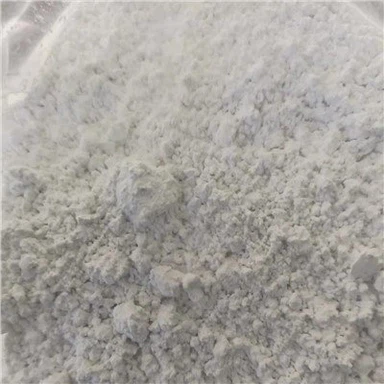
In the defoaming of prepolymer adhesives, 13X activated zeolite molecular sieve is often used, and its activation temperature is 200-350°C. 13X molecular sieve can eliminate the trace moisture in the polyurethane adhesive, and can also absorb the carbon dioxide produced by the reaction of polyisocyanate and water.
2. Solvent defoaming method
When synthesizing the prepolymer adhesive, generally use ethyl acetate or acetone as the solvent when using polyester polyol, and use toluene as the solvent when using polytetracyanofuran. After adding the solvent, let it stand for a period of time before defoaming. When using solvent defoaming, the surface tension of the solvent has a great influence on the elimination of bubbles. The surface tension is small (under 35×10-3N/m), the bubbles are easy to eliminate, and the surface is not easy to foam. When choosing a solvent, pay attention to the influence of the solvent on the reaction. The greater the polarity of the solvent, the easier it is to form a hydrogen bond association with the -OH group, thereby reducing the reactivity of the -NCO group and the -OH group.